The 5 Most Laxative Foods in the World

Natural Remedies to Help Combat Constipation Constipation is a common digestive issue that can cause bloating, discomfort, and sluggishness—especially when it becomes frequent. The good news is that you don’t always need medication or supplements to find relief. Nature provides plenty of foods rich in fiber, water, and beneficial nutrients that gently support healthy bowel … Read more

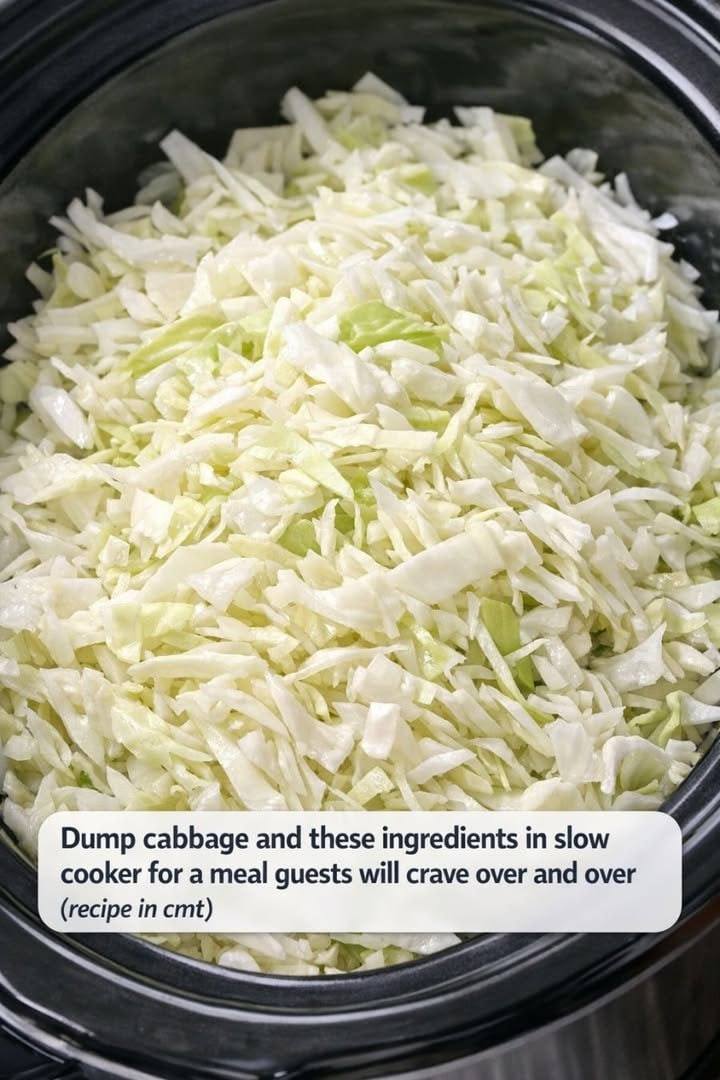
Dump-and-Go Slow Cooker Unstuffed Cabbage Roll Soup

A cozy classic guests ask for again and again This slow cooker soup has everything people love about old-fashioned cabbage rolls — savory beef, tender cabbage, tomatoes, and rice — without the rolling, stuffing, or fuss. It’s hearty, comforting, and perfect for feeding a crowd. Serves: 6–8 Ingredients 1 lb ground beef (80–90% lean) 1 … Read more

6. Contains Compounds Studied for Cancer Prevention

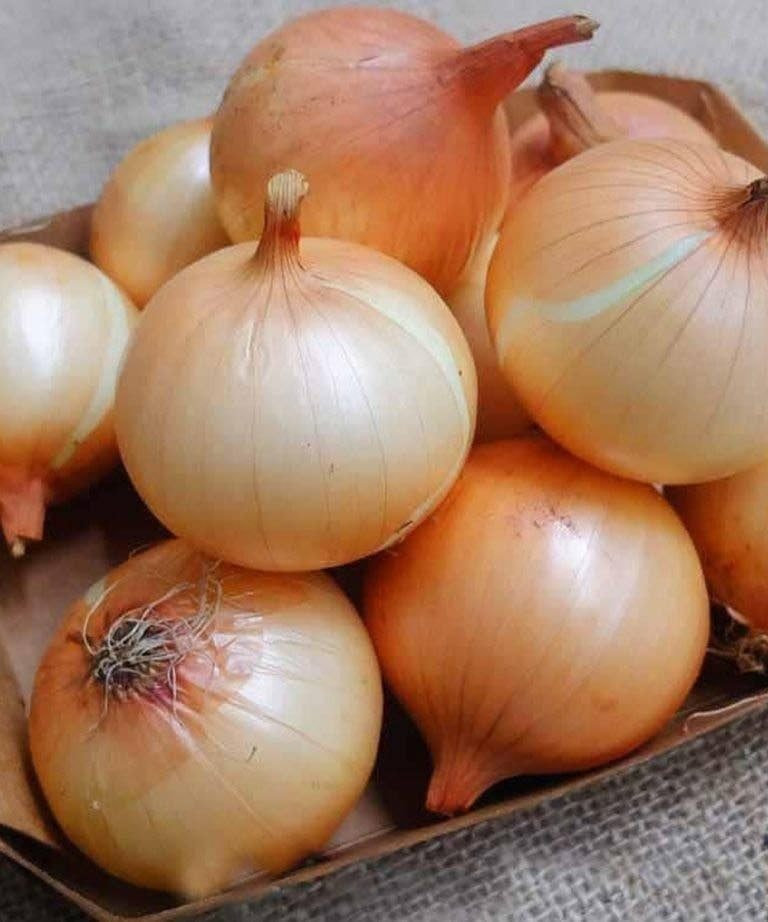
Onions are part of the allium family (along with garlic, leeks, and shallots), which has been widely studied for potential cancer-protective effects.

Research has focused on onion compounds such as:

  • Organosulfur compounds (released when onions are chopped or crushed)

  • Quercetin and other flavonoids

  • Anthocyanins (especially in red onions)

Observational studies suggest that higher intake of allium vegetables is associated with lower risk of certain cancers, particularly:

  • Colorectal cancer

  • Stomach cancer

  • Esophageal cancer

🧬 These compounds may help by:

  • Reducing chronic inflammation

  • Supporting detoxification enzymes in the liver

  • Slowing abnormal cell growth

⚠️ Important note: Onions don’t prevent cancer on their own—but as part of a plant-rich diet, they may contribute to long-term risk reduction.


7. Supports Bone Density (Especially in Older Adults)

This benefit often surprises people.

Some studies have found that regular onion consumption is associated with higher bone mineral density, particularly in postmenopausal women.

Possible reasons include:

  • Antioxidants that reduce oxidative stress on bone tissue

  • Compounds that may slow bone breakdown

  • Anti-inflammatory effects that support skeletal health

🦴 While calcium and vitamin D remain essential, onions may play a supporting role in bone maintenance.


🧅 Raw vs. Cooked Onions: Does It Matter?

Both forms are beneficial—just in different ways.

Raw onions

  • Higher in quercetin and vitamin C

  • Stronger prebiotic effect

  • More pungent (and harder to digest for some)

Cooked onions

  • Gentler on digestion

  • Still rich in sulfur compounds

  • Cooking can enhance sweetness and palatability

🔥 Light sautéing or caramelizing preserves many benefits while improving tolerance.

🥗 Simple Ways to Eat More Onions (Without Overthinking It)

Continued on the next page

Read more

Why Do Jeans Get Weird Ripples After Washing?

There’s nothing more frustrating than pulling your favorite pair of jeans out of the wash and discovering strange ripples, puckers, or waves all over them. One day they fit perfectly; the next, they look twisted and clingy—like they barely survived the spin cycle.

If you’ve ever wondered why your jeans suddenly look wrinkled or warped after washing, you’re not alone. And no, it’s not just a random fabric malfunction. There are real reasons behind it.

Most modern jeans contain a bit of stretch for comfort, which makes them more sensitive to heat and agitation. While the dryer often takes the blame, your washing habits play just as big a role. Let’s break it down.


Why Do Jeans Ripple, Pucker, or Wrinkle in the Wash?

1. Heat Damages the Stretch Fibers

Most jeans today aren’t made from 100% cotton. They usually contain Lycra or elastane, which gives them flexibility and a flattering fit. Unfortunately, these fibers are extremely sensitive to heat.

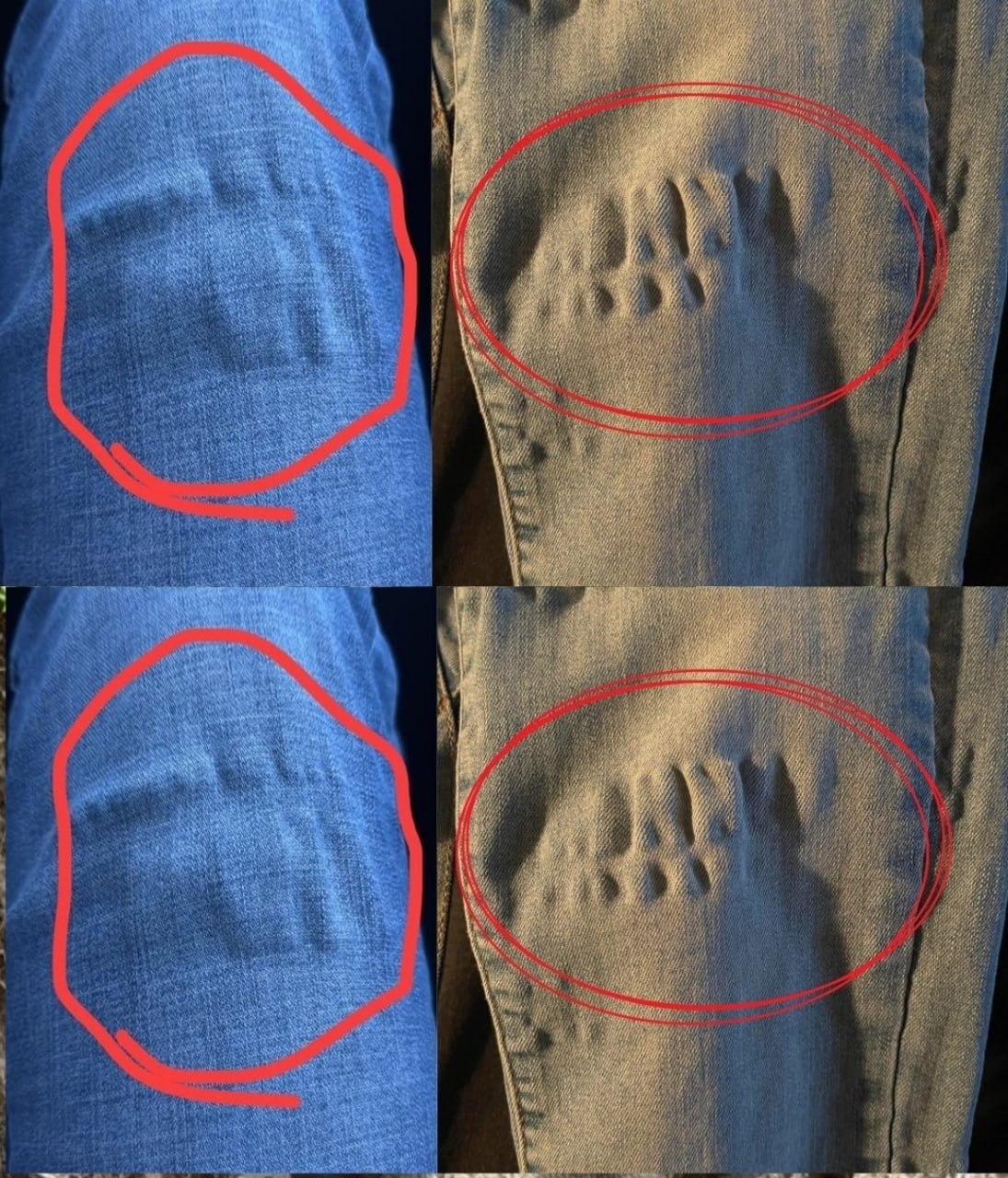
High temperatures in the washer or dryer cause Lycra to deteriorate. When that happens, the surrounding cotton fibers shift and warp unevenly. Instead of shrinking evenly like pure cotton, stretch denim develops random ripples and puckers.

Once the elastic fibers are damaged, the change is permanent—there’s no way to fully restore the fabric.

Overwashing makes this worse. Jeans don’t need to be washed after every wear, and frequent washing accelerates fiber breakdown and ruins their shape.


2. The Washing Machine Stretches and Twists the Fabric

Even without excessive heat, the washing machine itself can cause problems. Jeans don’t simply soak in water—they’re tossed, twisted, and pulled in multiple directions.

Overloading the washer makes this worse. When clothes are packed too tightly, denim gets stretched unevenly as it tangles with other garments.

Stretch denim is especially vulnerable when wet and heavy. Different areas dry under different levels of tension, which leads to that familiar wavy, rippled appearance once dry.


How to Prevent Ripples in Jeans

Continued on the next page

Read more

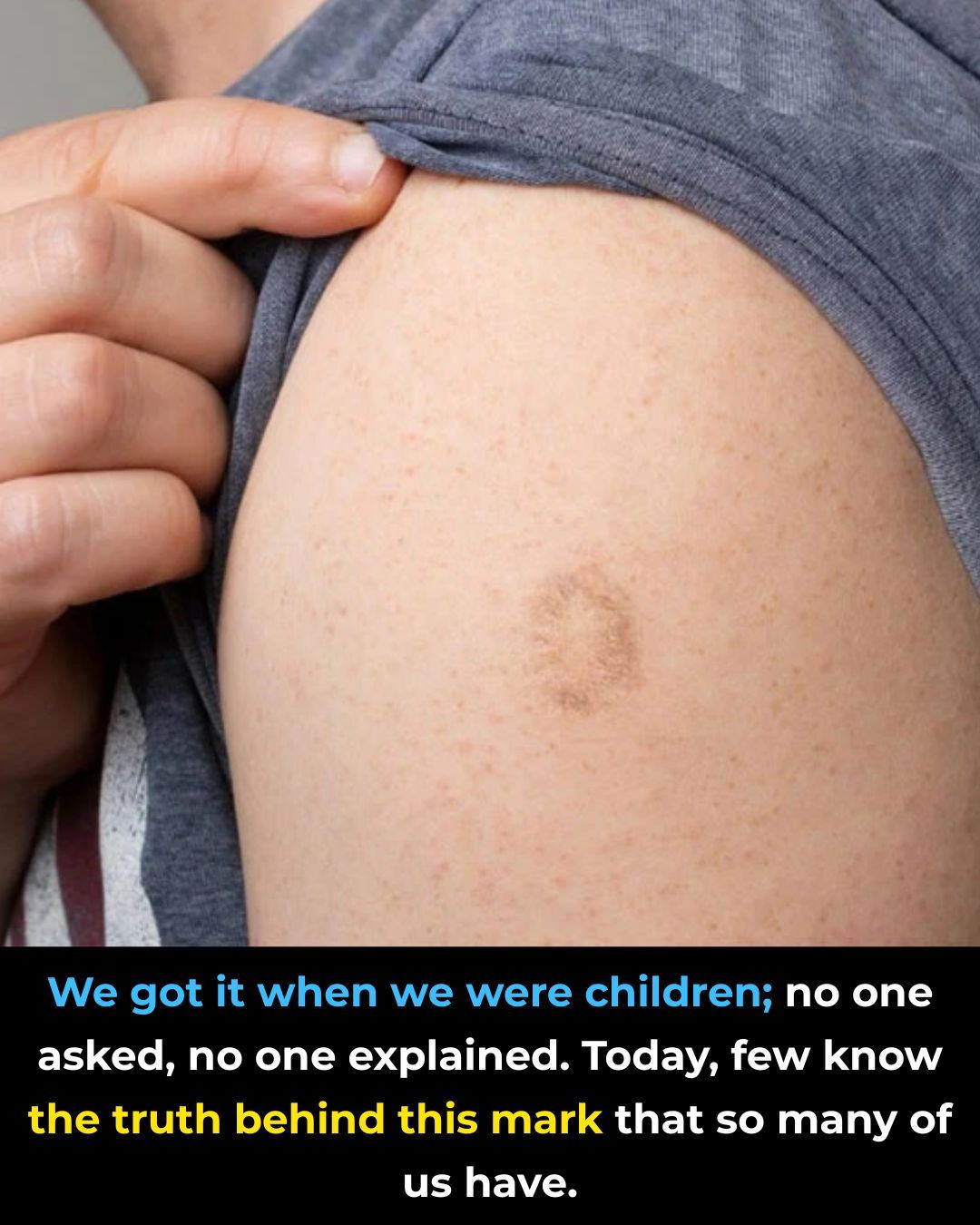
Here’s The Truth Behind This Scar On People’s Upper Left Arm

If you’re older, you likely received the smallpox vaccine as a child, leaving behind a small pea-sized scar on your arm. The good news is that this vaccine may still offer protection against monkeypox, according to Dr. Michael Mosley, a British medical TV doctor.

Smallpox vaccination programs in the UK and the US continued until 1971–1972, meaning people aged 50 and above were vaccinated and may still have protection against monkeypox. Since smallpox and monkeypox are related viruses, studies show the smallpox vaccine offers about 85% protection against monkeypox.

What is especially remarkable is that even decades after vaccination, individuals who were vaccinated as children continue to show strong antibody responses to smallpox. The longest recorded case of lasting immunity was someone vaccinated over 90 years ago, according to the Daily Mail. Older adults who were vaccinated may still contract monkeypox, but they are more likely to experience mild symptoms and recover quickly.

Dr. Luigi Ferrucci, scientific director at the U.S. National Institute on Aging, highlighted that people vaccinated decades ago maintain high levels of antibodies and strong virus-neutralizing capabilities. A smallpox vaccination scar from childhood indicates you may still be protected against monkeypox, even if you were vaccinated 50 years ago.

Dr. Anthony S. Fauci, the White House’s top infectious disease advisor, was asked about the durability of the smallpox vaccine. He confirmed that most vaccinated individuals remain protected, but the strength of that protection can vary from person to person. While the vaccine may still offer protection, Dr. Fauci noted it cannot be guaranteed for everyone.

Should Unvaccinated People Be Worried?

Continued on the next page

Read more

Your Doctor NEVER Told You This: The 2-Ingredient Kitchen Hack That Clears Lungs Faster Than Medicine!

Clear your throat and lungs of mucus with this remedy – only 2 ingredients

Mucus in the throat and lungs can be a good solution for coughs, nasal congestion, and shortness of breath. Fortunately, there are simple and effective natural solutions that can quickly relieve these symptoms. This homemade recipe, which removes two types of mucus, helps clear the airways, and uses a vacuum cleaner, may help.

Why does mucus build up?

Mucus is the body’s mechanism for sealing and protecting the respiratory tract. However, when it’s caused by a cold, it can lead to discomfort and difficulty breathing.

Uses:

Continued on the next page

Read more

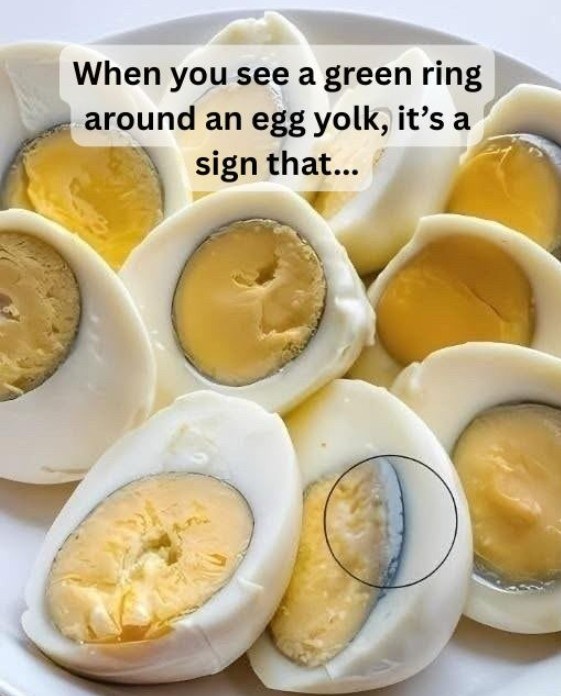
Why Does a Green Ring Appear Around Hard-Boiled Eggs?

You’ve carefully prepared your hard-boiled eggs for a salad or snack, only to discover an unwelcome greenish-gray ring around the yolk when you peel them. While this phenomenon is common and harmless, it can be visually unappealing and may leave you wondering what went wrong. The good news? It’s not a sign of bad eggs or poor cooking skills—it’s simply a matter of chemistry. Here’s everything you need to know about why this happens and how to avoid it without needing culinary expertise.

The Culprit: A Chemical Reaction
That infamous green ring forms due to a reaction between two components found naturally in eggs: iron from the yolk and sulfur from the white. When eggs are overcooked, these elements combine to create a thin layer of iron sulfide on the surface of the yolk. While completely safe to eat, this compound gives the yolk its undesirable greenish hue. Overcooking also intensifies the sulfur smell often associated with boiled eggs, which can detract from their overall appeal.

13 Foods You Should Never Eat Past the Expiration Date

Double-Check: Is It Really an Expiration Date? Not every date printed on food packaging is an actual expiration date. According to food safety experts, here are the most common labels you’ll see—and what they really mean: Sell-by date: The last day the store should display the product Use-by date: The manufacturer’s estimate of peak quality Best if … Read more

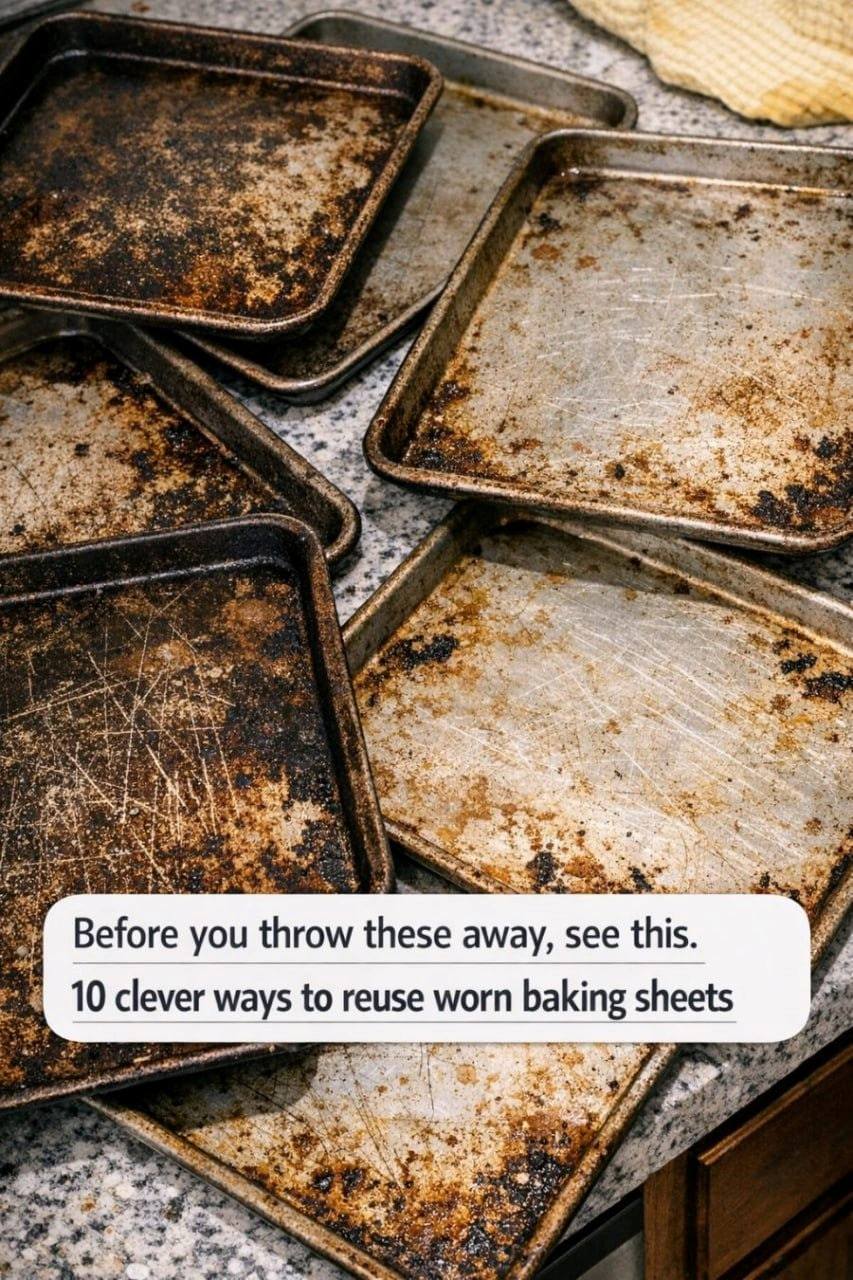
Before you throw these away, see this. 10 clever ways to reuse worn baking sheets

10 Clever Ways to Reuse Worn Baking Sheets

In a world increasingly focused on sustainability and reducing waste, finding creative ways to repurpose household items is both practical and environmentally responsible. One item that often ends up in the trash is the humble baking sheet. Over time, baking sheets can become warped, scratched, or stained, making them less ideal for cooking—but that doesn’t mean they’re useless.

Before you toss them out, consider the many ways old baking sheets can be given a second life. From practical household solutions to creative DIY projects, these well-used kitchen staples can still be incredibly valuable. Repurposing them not only saves money, but also reduces waste and brings the satisfaction of turning something old into something new.

Here are 10 clever ways to reuse worn baking sheets, proving they’re just as useful out of the oven as they ever were in it.

1. Turn Old Baking Sheets into Rustic Serving Platters

With a bit of creativity and a few basic supplies, worn baking sheets can be transformed into rustic serving platters. Start by cleaning the sheet thoroughly and removing any rust. Apply a coat of food-safe paint or sealant to refresh the surface. Chalk paint creates a matte, farmhouse-style finish, while metallic spray paint offers a modern look.

For extra charm, attach handles to the sides using old cabinet pulls or hardware-store finds. Once finished, your tray can be used to serve drinks, snacks, or as a decorative centerpiece.

2. Transform Sheets into Magnetic Command Centers

Continued on the next page

Read more

Vinegar: The Key to Whiter Whites and Softer Towels (But Most People Use It Wrong). Here’s the Right Way.

Vinegar has been a household staple for centuries, commonly used in cooking and cleaning. However, its benefits extend far beyond these traditional roles. One of the lesser-known uses for  vinegar is its ability to revolutionize your laundry routine. Imagine achieving whiter whites and softer  towels without resorting to harsh chemicals. Vinegar provides a natural and effective solution to these common laundry challenges.

DIY cleaning solutions

You might wonder why you should consider such an unconventional method. This article will explain how a simple household item can significantly enhance the quality of your clothing and linens. By the end, you’ll understand why vinegar might be the secret ingredient missing from your laundry routine.

How Vinegar Works to Whiten Whites and Soften Towels

  1. Natural Bleaching Agent: Vinegar contains acetic acid, which helps break down dirt and stains on fabric. Unlike bleach, vinegar is much gentler, ensuring that your fabrics remain undamaged.
  2. Fabric Softener Alternative: Vinegar acts as a natural fabric softener by breaking down detergent residues left in the fabric, which can make towels feel stiff. Using vinegar, your towels will come out softer and fluffier.
  3. Odor Elimination: Vinegar effectively neutralizes odors. It removes any lingering smells in your laundry, ensuring that your whites and towels smell fresh and clean.
  4. Color Brightening: While vinegar is particularly effective on white fabrics, it also helps maintain the brightness of colors by dissolving alkaline deposits left by detergents.

How to Use Vinegar in Your Laundry

Continued on the next page

Read more