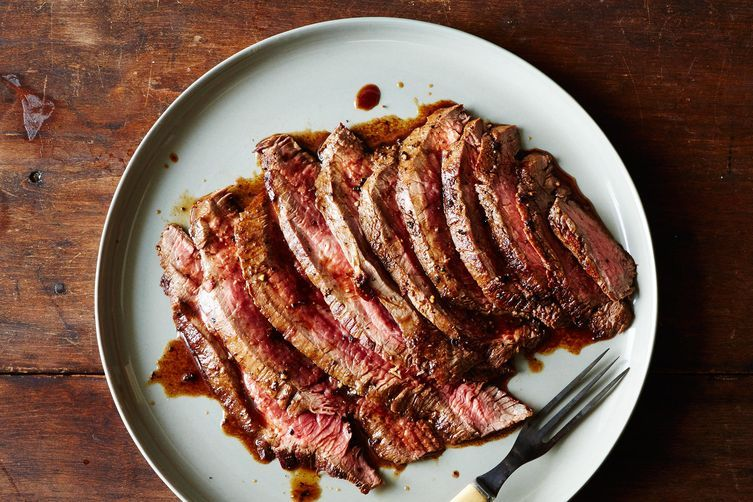
Meat has been a central part of human diets for centuries, valued for its rich flavor, satisfying texture, and high nutritional value. From beef and lamb to goat and veal, meat offers endless possibilities in the kitchen. However, cooking meat properly requires understanding a few essential techniques that can transform tough or bland cuts into tender, flavorful dishes.
The first key to cooking meat successfully is choosing the right cut. Different cuts come from different parts of the animal, and each behaves differently when cooked. Tender cuts such as ribeye, tenderloin, and sirloin are best suited for quick cooking methods like grilling or pan-searing. Tougher cuts, such as chuck, brisket, and shank, contain more connective tissue and benefit from slow cooking methods like braising or stewing.
Temperature control is one of the most important techniques professional cooks use. Meat should be brought to room temperature before cooking to ensure even heat distribution. Cooking cold meat straight from the refrigerator often results in uneven cooking, with an overcooked exterior and undercooked interior. Allowing meat to rest outside for 20–30 minutes makes a noticeable difference.
Seasoning meat correctly is another essential step. Salt is the most important seasoning and should be applied generously. It enhances the natural flavor and helps tenderize the meat. For best results, meat can be salted well in advance, allowing the salt to penetrate deeply. Additional spices, herbs, and marinades can be used depending on the recipe and cuisine.
Heat and cooking method play a major role in the final result. High heat is ideal for creating a flavorful crust through a process called the Maillard reaction. This is why steaks and chops are often seared in hot pans or grilled over high heat. Lower heat methods, such as slow cooking or roasting, allow tougher cuts to become tender over time.
Resting meat after cooking is a technique often overlooked by home cooks. When meat cooks, juices move toward the center. Cutting into it immediately causes those juices to escape, resulting in dry meat. Letting meat rest for 5–15 minutes allows the juices to redistribute, keeping the meat moist and flavorful.
Understanding doneness levels is especially important for red meat. Rare, medium-rare, medium, and well-done each require specific internal temperatures. Using a meat thermometer removes guesswork and ensures consistent results. Professional chefs rely on temperature, not time, to determine doneness.
Marinating is another technique that adds flavor and tenderness. Acidic ingredients such as vinegar, lemon juice, or yogurt help break down muscle fibers, while oils and spices infuse flavor. However, over-marinating can damage the texture, especially with delicate cuts.
Meat is a powerful source of protein, iron, zinc, and B vitamins. When prepared properly, it can be part of a balanced and nutritious diet. Choosing lean cuts and healthy cooking methods helps reduce excess fat while maintaining flavor.
In conclusion, mastering essential meat cooking techniques is about understanding cuts, temperature, seasoning, and patience. With practice, these techniques become second nature, allowing you to cook meat confidently and consistently. Whether you are preparing a simple steak or a slow-cooked roast, these fundamentals will help you achieve delicious results every time.
