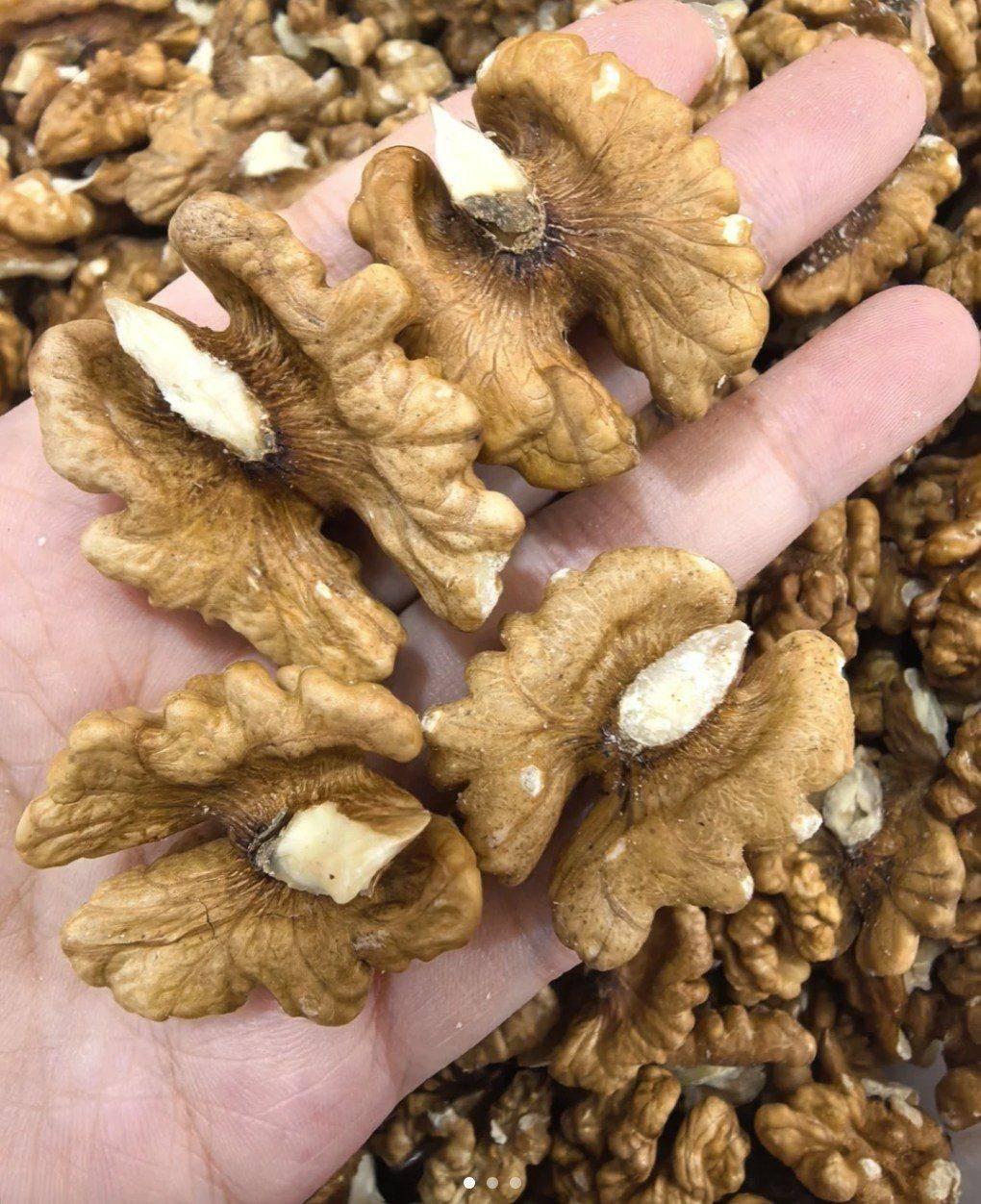
Incredible Benefits for the Heart, Brain, and Long-Term Health
Walnuts may seem like a simple snack, but doctors and nutrition experts agree that they are one of the most powerful foods you can add to your daily diet. With their distinctive brain-like shape and rich nutritional profile, walnuts have been studied extensively for their role in supporting heart health, brain function, metabolism, and overall longevity.
Research shows that eating a small handful of walnuts consistently can create meaningful changes inside the body—often quietly, but effectively. Here’s what science and medical experts reveal about what really happens when walnuts become part of your routine.
1. A Powerful Ally for Heart Health
Walnuts are the richest natural source of alpha-linolenic acid (ALA), a plant-based omega-3 fatty acid that plays a critical role in cardiovascular health.
How walnuts support the heart:
-
Help reduce “bad” LDL cholesterol and triglycerides
-
Support healthy blood vessels and arterial flexibility
-
Reduce inflammation linked to heart disease
-
Assist in maintaining healthy blood pressure
What research shows:
A study published in the Journal of the American Heart Association found that consuming just one ounce of walnuts per day significantly improved cholesterol levels and reduced major risk factors for heart disease.
2. Exceptional Antioxidant Protection
Walnuts rank among the foods with the highest antioxidant activity, helping protect the body from oxidative stress—a key contributor to aging and chronic illness.
Key protective compounds:
-
Polyphenols that neutralize harmful free radicals
-
Vitamin E that protects cell membranes
-
Melatonin, which supports sleep regulation and cellular repair
Notably, walnuts have been shown to contain more antioxidant power than most other commonly consumed nuts, making them especially valuable for long-term health.
3. Supports Brain Function and Cognitive Health
Continued on the next page
It’s no coincidence that walnuts resemble the human brain. Their nutrient composition directly supports cognitive performance and brain aging.
Brain benefits include:
Continued on next page:
-
Omega-3 fats that help maintain brain cell structure
-
Polyphenols that reduce inflammation and improve neuron communication
-
Vitamin E and folate, linked to slower cognitive decline
Research insight:
Studies associate regular nut consumption with better memory, improved focus, faster processing speed, and a reduced risk of neurodegenerative conditions later in life.
4. Improves Gut Health and Digestion
Walnuts act as a natural prebiotic, feeding beneficial gut bacteria and helping maintain a diverse and healthy microbiome.
A healthier gut environment is linked to:
-
Better digestion
-
Stronger immune function
-
Improved mood and mental clarity through the gut–brain connection
5. Helps with Weight Management
Despite being calorie-dense, walnuts can actually support healthy weight control.
Why they help:
-
The combination of protein, fiber, and healthy fats promotes fullness
-
Reduces cravings and unnecessary snacking
-
Helps regulate appetite over time
Research consistently shows that people who regularly eat nuts are less likely to gain weight compared to those who avoid them.
Ideal portion: about one ounce per day (roughly 14 walnut halves).
6. Supports Blood Sugar Balance
Walnuts have a low glycemic index and contain fats and fiber that slow the absorption of sugar into the bloodstream.
This makes them especially beneficial for:
Continued on next page:
-
Stabilizing blood glucose levels
-
Improving insulin sensitivity
-
Reducing the risk of developing type 2 diabetes
They are often recommended as a smart snack choice for people monitoring blood sugar.
Easy Ways to Add Walnuts to Your Diet
Incorporating walnuts into your meals is simple:
-
Breakfast: Add to oatmeal, yogurt, or smoothies
-
Salads: Sprinkle over leafy greens or grain-based salads
-
Snacks: Pair a handful of walnuts with fruit
-
Cooking: Use in baking, sauces, or as a crust for fish or chicken
Pro tip: Lightly toast walnuts at 350°F (175°C) for 8–10 minutes to enhance their flavor and crunch.
Important Considerations
While walnuts are highly beneficial, a few points matter:
-
Allergies: Avoid if you have a known nut allergy
-
Moderation: Stick to recommended portions due to calorie density
-
Medications: If taking blood thinners, consult your doctor, as walnuts contain vitamin K
Final Thoughts
Lasting health doesn’t come from extreme diets or expensive supplements—it often comes from simple, consistent choices. Walnuts are a perfect example: a natural, accessible food with profound benefits for the heart, brain, metabolism, and overall well-being.
Adding a small handful of walnuts to your daily routine is a modest habit that can deliver powerful long-term rewards.
Sometimes, the most effective health choices are also the simplest.
