Fish is one of the healthiest and most delicious proteins you can include in your diet. Rich in omega-3 fatty acids, vitamins, and minerals, fish is praised by nutritionists and chefs alike. However, many home cooks feel intimidated when it comes to preparing fish. Cooking fish like a professional chef does not require fancy tools or years of experience—it simply requires understanding a few key principles.
The first step to cooking fish perfectly is choosing the right type of fish. Fish can be broadly categorized into lean fish, such as cod, tilapia, and haddock, and fatty fish, such as salmon, tuna, and mackerel. Lean fish have a mild flavor and delicate texture, while fatty fish are richer and more forgiving during cooking. Beginners often find salmon a great place to start because it is flavorful and difficult to overcook.
Freshness is critical when it comes to fish. Fresh fish should have a clean, ocean-like smell—not a strong or “fishy” odor. The flesh should be firm and spring back when pressed, and the eyes (if buying whole fish) should be clear and bright. High-quality fish is the foundation of any great seafood dish.
Preparation is just as important as freshness. Always pat the fish dry with paper towels before cooking. Excess moisture prevents proper browning and can make fish soggy. Seasoning should be simple and balanced. Salt and pepper are essential, while lemon, garlic, fresh herbs, and olive oil enhance the natural flavor without overpowering it.
Professional chefs understand that fish cooks very quickly. Overcooking is the most common mistake. Fish is done when it flakes easily with a fork and appears opaque throughout. A general rule is to cook fish for about 8–10 minutes per inch of thickness, depending on the method. Using a thermometer can also help; most fish is perfectly cooked at an internal temperature of 145°F (63°C).
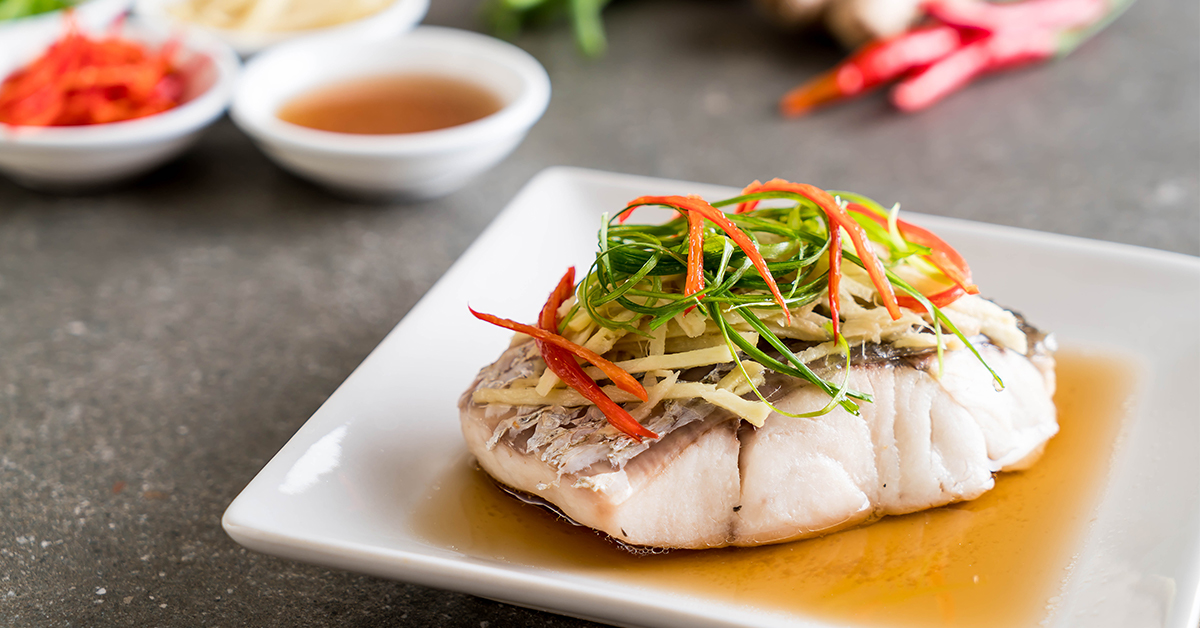
There are several cooking methods that chefs rely on. Pan-searing is ideal for fillets with skin, such as salmon or sea bass. A hot pan and a small amount of oil create crispy skin and tender flesh. Baking is another popular method, especially for lean fish. It allows even cooking and works well with vegetables and sauces. Grilling adds smoky flavor and is perfect for firm fish like tuna and swordfish. Steaming and poaching are gentle techniques that preserve moisture and are commonly used in healthy or Asian-style dishes.
Sauces and accompaniments can elevate fish dishes to restaurant quality. Simple sauces such as lemon butter, garlic herb sauce, or light cream sauces complement fish beautifully. Fresh salsas made with tomatoes, mango, or herbs add brightness and contrast. Chefs often pair fish with light sides like steamed vegetables, rice, or salads to keep the meal balanced.
Fish is not only delicious but also incredibly nutritious. It supports heart health, brain function, and overall wellness. Regularly including fish in your diet can reduce inflammation and improve cholesterol levels. This makes fish an excellent choice for those following healthy eating plans.
Confidence is key when cooking fish. Trust your senses—look for color changes, feel the texture, and watch the cooking time closely. With practice, cooking fish becomes second nature. Professional chefs rely on simplicity, quality ingredients, and proper technique rather than complicated recipes.
In conclusion, cooking fish like a professional chef is achievable for anyone. By selecting fresh fish, preparing it correctly, using the right cooking method, and avoiding overcooking, you can create restaurant-quality fish dishes at home. Once you master these basics, fish will become one of the most enjoyable and rewarding meals you cook.
