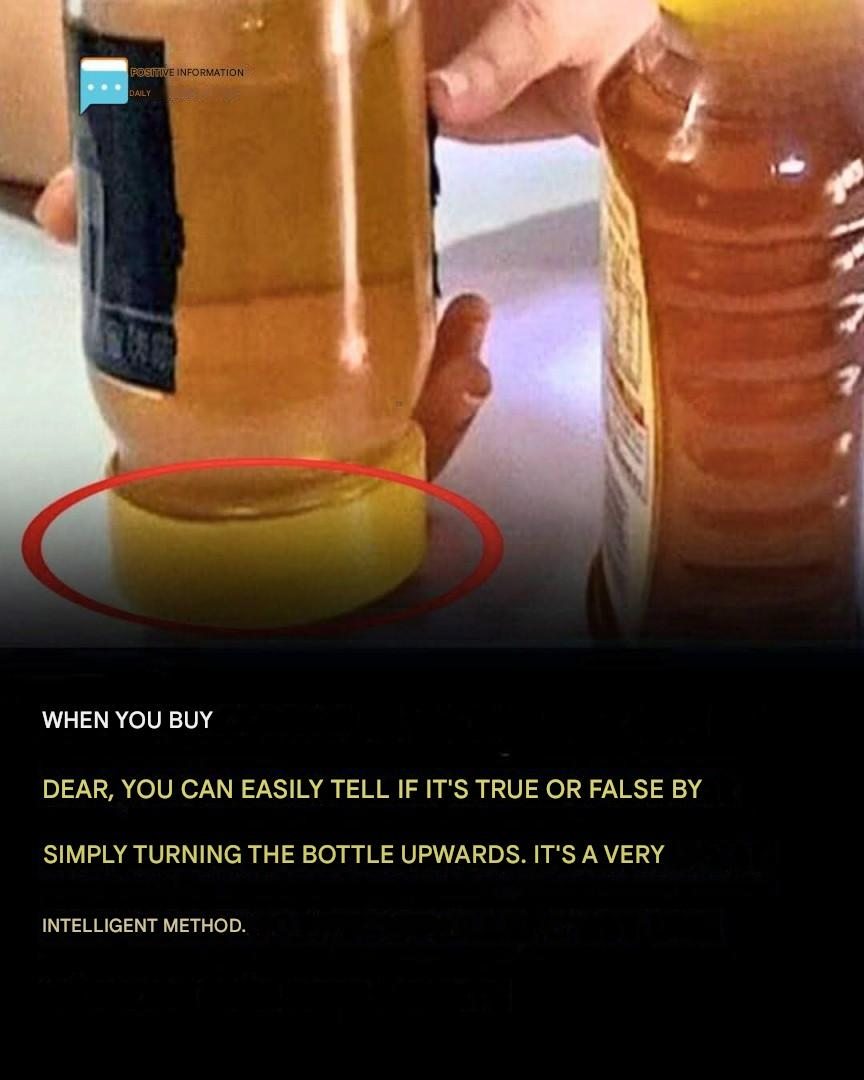
In recent years, counterfeit honey has appeared on the European market, and the data is alarming. A recent inspection conducted by the Active Consumers association revealed that 5 out of 10 honey brands tested did not meet basic quality standards. These include:
Water content: Must be less than 20%
Electrical conductivity: Must not exceed 0.8 mS/cm
Hydroxymethylfurfural (HMF): No more than 40 mg/kg
Diastatic activity: At least 8 Göte units
Proline content: No less than 180 mg/kg
Fake honey is flooding the market: how to recognize the authentic one
How is honey counterfeited?
There are two common methods of adulterating honey:
Dilution with glucose-fructose syrup: Increases volume and reduces production costs.
Premature harvest: Removing honey from the hive too early speeds up production, but results in higher water content and lower quality.
In both cases, what ends up on store shelves does not meet the standards of natural honey.
Is it possible to spot counterfeit honey at home?
We searched the internet to discover the most common honey authenticity tests. Here are our results and their reliability:
 1. Napkin test claim
Continued on the next page
: Real honey stays put; fake honey spreads and forms a moist ring.
True: Sometimes reliable. Tests for water content, but runny honeys like acacia honey can spread even when real. Don’t rely solely on this test.
 2. Hexagon shape test claim
: Real honey forms hexagons when shaken under water.
True: False. There is no scientific evidence to support this. Honey sinks and dissolves slowly, regardless of its quality.
 3. Ants avoid real honey
Claim: Ants won’t touch pure honey.
Fact: This is also false. Ants love sugar, and honey (real or fake) is full of it. Bees don’t produce chemicals that repellent ants.
 4. Density and dissolution claim
: Real honey is thick, dissolves slowly in water, and forms a slowly moving air bubble when stirred.
Fact: This is sometimes true. These clues help indicate the water content, but again, the type of honey is important. Some are naturally thinner.
