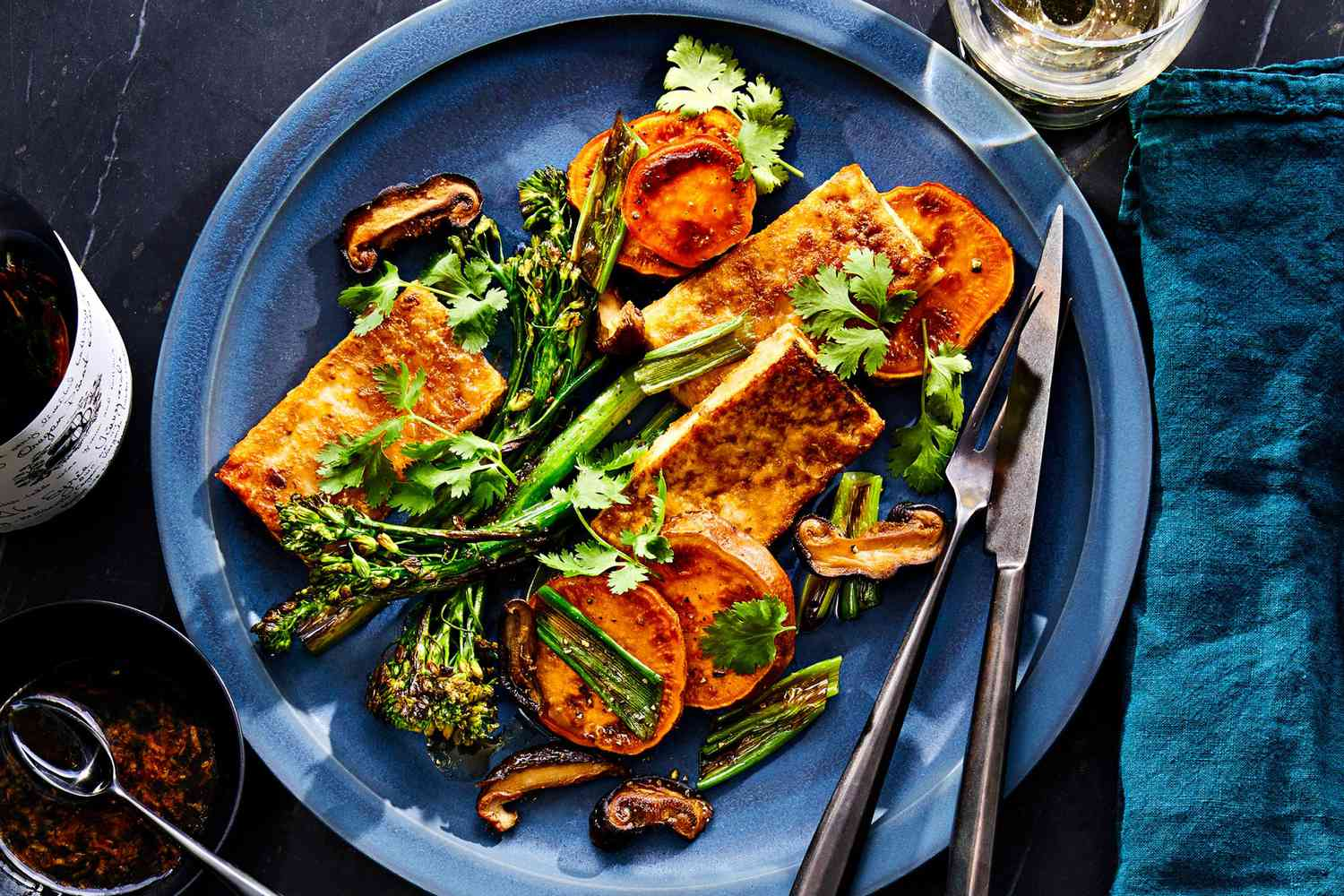
Vegetarian cooking is becoming more popular as people look for healthier, lighter, and more sustainable ways to eat. For beginners, vegetarian recipes may seem challenging at first, but in reality, they are often simpler than meat-based dishes. Easy vegetarian recipes focus on fresh vegetables, basic cooking techniques, and balanced flavors that anyone can master.
One of the main benefits of vegetarian cooking is simplicity. Vegetables cook quickly and do not require complex temperature control like meat. Ingredients such as potatoes, carrots, zucchini, spinach, tomatoes, and onions are easy to work with and widely available. These vegetables form the base of many beginner-friendly vegetarian meals.
For those new to vegetarian cooking, stir-fries are an excellent starting point. A simple vegetable stir-fry requires only a pan, a small amount of oil, and a few vegetables. Cooking vegetables over medium heat while stirring frequently keeps them tender and flavorful. Adding soy sauce, garlic, or ginger enhances taste without making the dish complicated.
Soups are another great option for beginners. Vegetable soups are forgiving and flexible. You can combine vegetables like carrots, celery, onions, and potatoes with vegetable broth and basic seasonings. Even if measurements are not exact, the result is usually comforting and delicious. Soups also store well, making them ideal for meal prep.
Roasted vegetables are among the easiest vegetarian dishes to prepare. Chopping vegetables evenly, tossing them with olive oil, salt, and pepper, and roasting them in the oven creates deep flavor with minimal effort. Beginners often enjoy roasting because it requires little attention while cooking.
Vegetarian meals should still be balanced and filling. Including plant-based protein sources such as beans, lentils, chickpeas, and tofu helps create satisfying meals. These ingredients are affordable, nutritious, and easy to cook. Combining vegetables with grains like rice, quinoa, or pasta creates complete and nourishing dishes.
Seasoning is especially important in vegetarian cooking. Since vegetables are the main focus, proper seasoning brings out their best qualities. Fresh herbs, spices, garlic, and onions add depth and variety. Beginners should experiment slowly, tasting as they go to build confidence.
Another advantage of vegetarian recipes is health. Vegetarian meals are typically lower in saturated fat and higher in fiber. Regularly eating vegetables supports digestion, heart health, and overall well-being. For beginners, vegetarian cooking can be an easy way to adopt healthier eating habits.
In conclusion, easy vegetarian recipes for beginners are approachable, flexible, and rewarding. By starting with simple techniques and common vegetables, anyone can prepare tasty vegetarian meals at home. With practice, vegetarian cooking becomes enjoyable and opens the door to endless creative possibilities.
