Vegetables are the foundation of a healthy and balanced diet. They are rich in essential vitamins, minerals, fiber, and antioxidants that support overall health and well-being. Incorporating healthy vegetable recipes into daily meals is one of the best ways to improve energy levels, digestion, and long-term health without relying on processed foods.
One of the biggest advantages of vegetables is their variety. From leafy greens like spinach and kale to colorful vegetables such as bell peppers, carrots, and tomatoes, each type offers unique nutrients and flavors. Eating a wide range of vegetables ensures that the body receives different vitamins and minerals needed for proper function.
Healthy vegetable recipes focus on simplicity and freshness. Fresh vegetables require minimal seasoning to taste good. Olive oil, garlic, onions, herbs, and light spices are often enough to enhance natural flavors. Avoiding heavy creams, excessive butter, and processed sauces keeps vegetable dishes light and nutritious.
Cooking methods play a key role in maintaining the health benefits of vegetables. Steaming is one of the best methods, as it preserves nutrients and natural color. Sautéing vegetables quickly over medium heat with a small amount of oil is another excellent option. Roasting vegetables brings out their natural sweetness and creates rich flavors without adding unhealthy ingredients.
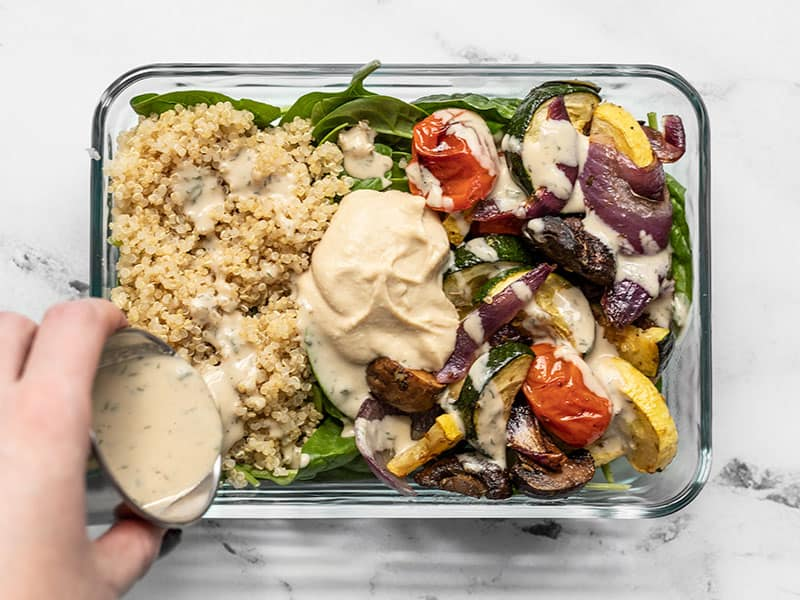
Vegetables can easily be the main ingredient in daily meals, not just a side dish. Vegetable stir-fries with tofu or beans, roasted vegetable bowls with grains, and vegetable-based soups are filling and satisfying. These meals are especially beneficial for people following vegetarian or plant-based diets.
Meal planning helps make vegetables a regular part of daily eating. Preparing vegetables in advance—washing, cutting, and storing them properly—makes it easier to cook healthy meals during busy days. Simple recipes that can be prepared in under 30 minutes encourage consistency and reduce reliance on fast food.
Healthy vegetable recipes also support weight management. Vegetables are naturally low in calories and high in fiber, which helps control hunger and promotes fullness. Including vegetables in every meal reduces overeating and supports healthy digestion.
Another benefit of vegetable-based meals is improved heart health. Many vegetables contain antioxidants and compounds that reduce inflammation and lower cholesterol levels. Diets rich in vegetables are linked to lower risks of heart disease, diabetes, and certain cancers.
Seasoning vegetables correctly is essential for enjoyment. Salt should be used in moderation, while herbs and spices such as cumin, paprika, thyme, basil, and oregano add depth without calories. A splash of lemon juice or vinegar can brighten flavors and make dishes more appealing.
In conclusion, healthy vegetable recipes for daily meals are simple, nourishing, and versatile. By choosing fresh vegetables, using proper cooking methods, and keeping flavors balanced, vegetables can become a delicious and essential part of everyday life. Making vegetables the star of your meals is one of the easiest steps toward better health and long-term wellness.
