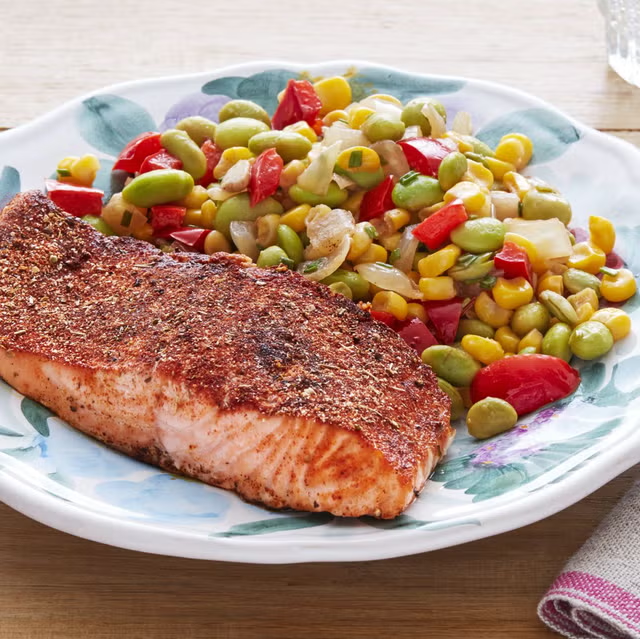
Baked fish is one of the easiest and healthiest ways to prepare seafood. It requires minimal ingredients, little hands-on time, and delivers flavorful, tender results. Baked fish recipes are ideal for beginners because they are forgiving and versatile, allowing anyone to create delicious meals without stress.
The first step is choosing the right type of fish. Mild-flavored fish such as cod, tilapia, haddock, or sole are great for beginners. Salmon and trout are also excellent options due to their natural fat content, which keeps the fish moist during baking. Fresh or properly thawed frozen fish works best for consistent results.
Preparation is simple but important. Pat the fish dry with paper towels to remove excess moisture. This ensures the fish browns slightly and doesn’t steam in the oven. Lightly oil the baking dish or line it with parchment paper to prevent sticking. Season the fish with salt, pepper, and optional spices or herbs such as garlic powder, paprika, parsley, or dill.
Baking temperature and time are key. Preheat the oven to 375–400°F (190–200°C). Thin fillets typically take 10–15 minutes, while thicker fillets or steaks may need 15–20 minutes. A good rule of thumb is to bake fish until it flakes easily with a fork and appears opaque throughout.
Enhancing flavor is simple with baked fish. Lemon slices, fresh herbs, garlic, or a drizzle of olive oil can be placed on top of the fish before baking. For added texture and taste, breadcrumbs, parmesan, or panko can be sprinkled over the fillet. These simple additions elevate the dish without complicating preparation.
Baked fish pairs well with a variety of sides. Steamed vegetables, roasted potatoes, brown rice, or quinoa create a balanced, nutritious meal. For a lighter option, serve fish with a fresh salad dressed in lemon juice and olive oil. These combinations make it easy to enjoy a complete meal in one sitting.
Foil packets or “en papillote” baking is another beginner-friendly method. Place the fish with vegetables, herbs, and a little liquid such as lemon juice or white wine inside a foil packet. Seal tightly and bake. The fish cooks in its own steam, keeping it moist and flavorful while minimizing cleanup.
Meal prep with baked fish is convenient. Cooking extra fillets in advance allows for quick lunches or dinners throughout the week. Leftover baked fish can be added to salads, wraps, or grain bowls for versatile and easy meals.
Baked fish is highly nutritious, rich in protein, omega-3 fatty acids, and vitamins. Eating fish regularly supports heart health, brain function, and overall well-being. It is low in calories yet satisfying, making it an excellent choice for a balanced diet.
In conclusion, baked fish recipes for beginners are simple, healthy, and delicious. With minimal preparation, basic seasonings, and easy cooking methods, anyone can make flavorful fish meals. Baked fish is versatile, forgiving, and a perfect way to enjoy seafood while maintaining a healthy and balanced diet
