
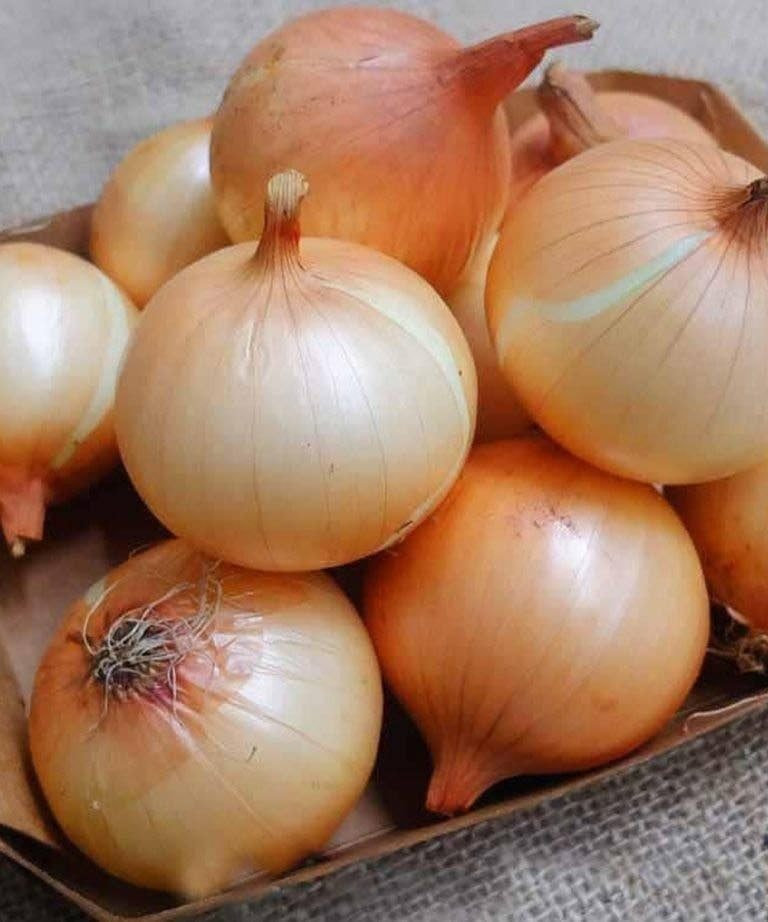
Onions are part of the allium family (along with garlic, leeks, and shallots), which has been widely studied for potential cancer-protective effects.
Research has focused on onion compounds such as:
-
Organosulfur compounds (released when onions are chopped or crushed)
-
Quercetin and other flavonoids
-
Anthocyanins (especially in red onions)
Observational studies suggest that higher intake of allium vegetables is associated with lower risk of certain cancers, particularly:
-
Colorectal cancer
-
Stomach cancer
-
Esophageal cancer
🧬 These compounds may help by:
-
Reducing chronic inflammation
-
Supporting detoxification enzymes in the liver
-
Slowing abnormal cell growth
⚠️ Important note: Onions don’t prevent cancer on their own—but as part of a plant-rich diet, they may contribute to long-term risk reduction.
7. Supports Bone Density (Especially in Older Adults)
This benefit often surprises people.
Some studies have found that regular onion consumption is associated with higher bone mineral density, particularly in postmenopausal women.
Possible reasons include:
-
Antioxidants that reduce oxidative stress on bone tissue
-
Compounds that may slow bone breakdown
-
Anti-inflammatory effects that support skeletal health
🦴 While calcium and vitamin D remain essential, onions may play a supporting role in bone maintenance.
🧅 Raw vs. Cooked Onions: Does It Matter?
Both forms are beneficial—just in different ways.
Raw onions
-
Higher in quercetin and vitamin C
-
Stronger prebiotic effect
-
More pungent (and harder to digest for some)
Cooked onions
-
Gentler on digestion
-
Still rich in sulfur compounds
-
Cooking can enhance sweetness and palatability
🔥 Light sautéing or caramelizing preserves many benefits while improving tolerance.