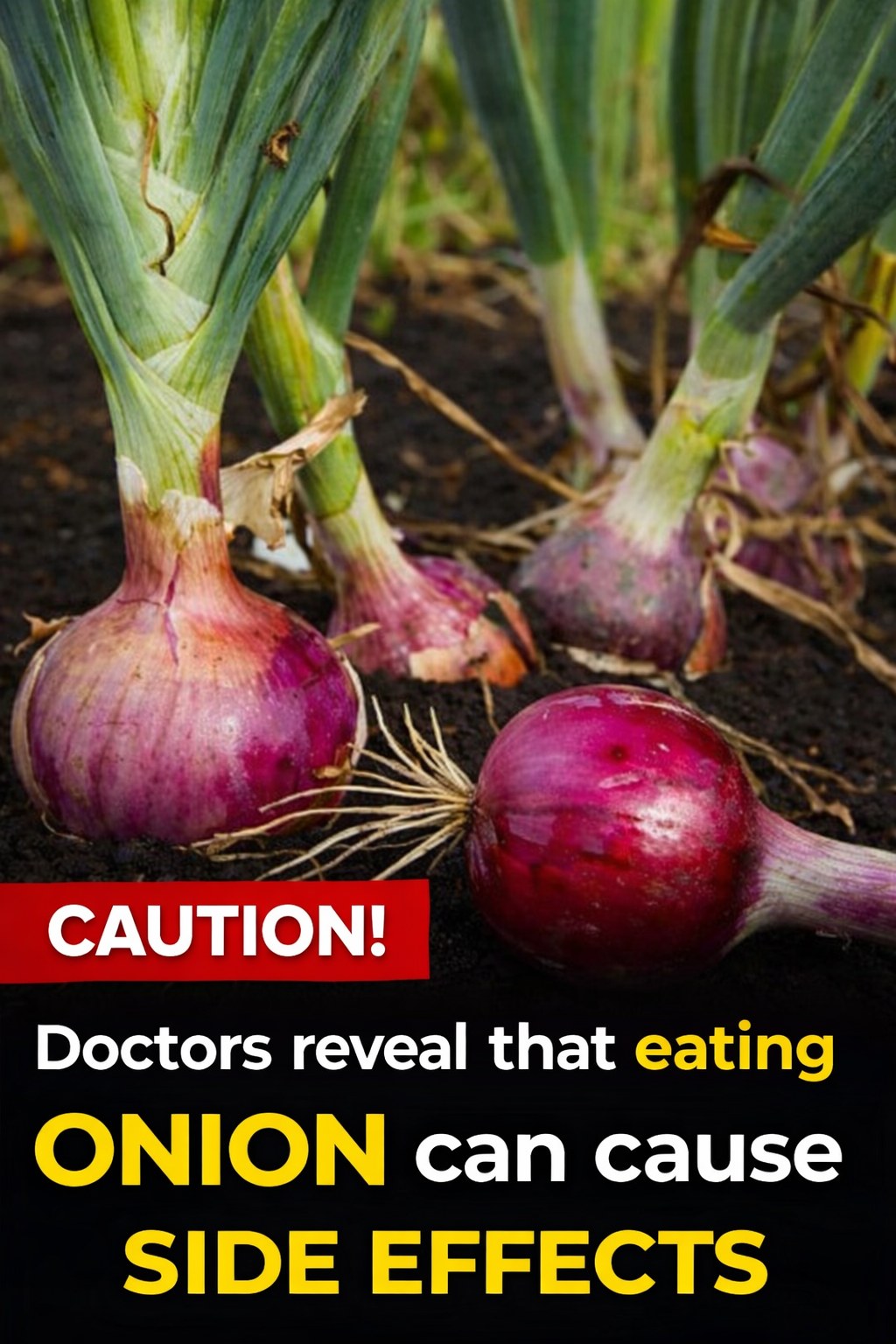
Onions are one of the most commonly used vegetables worldwide and play an essential role in many traditional dishes. Beyond their strong taste and aroma, onions are packed with beneficial nutrients such as antioxidants, sulfur compounds, and important vitamins. While they provide many health advantages, onions may also cause discomfort for some people, especially when consumed in large amounts.
Knowing how onions interact with the body can help you enjoy their benefits while avoiding unwanted side effects.
Can Eating Onions Cause Problems?
For the majority of people, onions are safe and healthy. However, certain individuals may experience negative effects depending on how much and how often they eat them.
1. Digestive Discomfort
Eating a large quantity of onions, particularly raw ones, may lead to:
-
Abdominal bloating
-
Gas
-
Stomach pain
-
Acid reflux or heartburn
This happens because onions contain fructans, a type of carbohydrate that can be difficult to digest for some people. These compounds ferment in the gut and may trigger symptoms, especially in individuals with sensitive digestion or irritable bowel issues.
2. Mouth and Stomach Irritation
Raw onions can irritate the:
-
Mouth
-
Throat
-
Stomach lining
People who suffer from stomach inflammation, ulcers, or frequent acid reflux may notice worsening symptoms after eating raw onions. Cooking onions reduces the strength of sulfur compounds, making them gentler on the digestive system.
3. Natural Blood-Thinning Effect
Onions contain sulfur-based substances that may slightly reduce blood clotting. This can be beneficial for:
-
Heart health
-
Blood circulation
However, consuming excessive amounts may increase bleeding risk for people taking blood-thinning medications. In such cases, moderation and medical advice are recommended.
4. Rare Allergic Reactions
Although uncommon, onion allergies may occur and include symptoms such as:
-
Skin irritation or rashes
-
Itching
-
Swelling of the lips or tongue
Anyone experiencing these reactions should avoid onions and seek medical guidance.
Raw vs Cooked Onions: Which Is Better?
Continued on the next page
Raw Onions
Advantages:
-
Higher vitamin C levels
-
Strong antioxidant properties
-
May support blood sugar and cholesterol balance
Disadvantages:
-
Harder to digest
-
Can irritate the stomach
-
Strong odor and breath issues
Best for: People with strong digestion
Avoid if: You have acid reflux, stomach sensitivity, or digestive disorders
Cooked Onions
Advantages:
-
Easier on the stomach
-
Reduced irritation
-
Still rich in antioxidants
Disadvantages:
-
Slight nutrient loss due to heat
Best for: Children, elderly people, and those with digestive sensitivity
Why Do Onions Make Your Eyes Water?
When onions are cut, they release a gas that reacts with moisture in the eyes, forming a mild irritant. This causes tearing as a natural protective reaction.
Is It Dangerous?
-
No permanent eye damage
-
The irritation is temporary
-
Tears help protect the eyes
People with dry eyes or contact lenses may feel stronger discomfort.
How to Reduce Eye Irritation
-
Cut onions under running water
-
Use a sharp knife
-
Refrigerate onions before cutting
-
Wear kitchen goggles if needed
How Much Onion Is Safe to Eat?
-
Raw onions: ¼ to ½ medium onion per day
-
Cooked onions: About 1 medium onion per day
Eating onions in moderation helps prevent digestive discomfort and acid-related issues.
Final Health Summary
Onions are a nutritious and beneficial food that supports immunity, heart health, and overall wellness. However, excessive consumption or eating them raw may cause discomfort in sensitive individuals.
Safe for most people
Rich in antioxidants
Eye irritation is harmless and temporary
Moderate intake is important
Limit raw onions if digestion is sensitive
When consumed according to personal tolerance, onions can be a healthy and valuable addition to a
