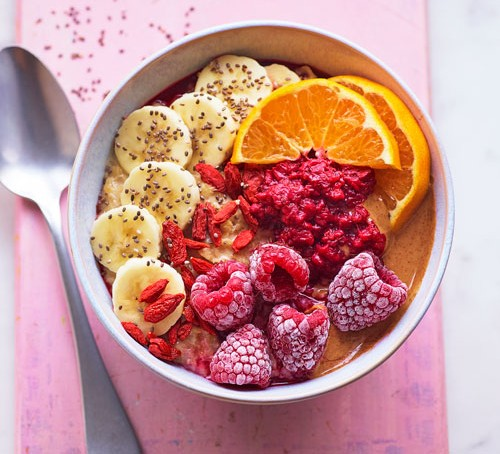
Breakfast is often called the most important meal of the day, and for good reason. A healthy breakfast provides energy, stabilizes blood sugar, and sets a positive tone for the day. Healthy breakfast recipes focus on nutrient-dense ingredients, balanced macronutrients, and flavors that are both satisfying and easy to prepare.
The foundation of a healthy breakfast includes protein, fiber, and healthy fats. Proteins such as eggs, Greek yogurt, cottage cheese, or plant-based alternatives help keep you full longer. Fiber from fruits, vegetables, oats, and whole grains supports digestion and sustained energy. Healthy fats from nuts, seeds, or avocado provide satiety and essential fatty acids.
One of the easiest healthy breakfast options is overnight oats. By soaking rolled oats in milk or plant-based milk overnight, they absorb liquid and soften without cooking. Adding fruits, nuts, seeds, and a touch of honey creates a balanced and customizable meal. Overnight oats can be prepared in batches, saving time on busy mornings.
Smoothies are another convenient and nutrient-rich breakfast. Combining leafy greens like spinach or kale with fruits, yogurt, protein powder, or nut butter produces a filling and portable meal. Smoothies are versatile, allowing you to adjust sweetness, thickness, and nutritional content based on your preferences.
Egg-based breakfasts are classic and healthy. Scrambled, poached, or boiled eggs provide protein and essential vitamins. Pairing eggs with vegetables like tomatoes, spinach, or bell peppers increases fiber and nutrients. Omelets or frittatas are perfect for incorporating leftovers and creating a satisfying meal in minutes.
Whole-grain options such as whole-wheat toast, quinoa bowls, or muesli provide slow-digesting carbohydrates that keep you energized. Topping whole-grain toast with avocado, nut butter, or fresh fruit combines healthy fats, fiber, and flavor. Quinoa bowls with fruits, nuts, and yogurt create a hearty, balanced breakfast.
Breakfast meal prep saves time and ensures consistency. Preparing ingredients ahead of time, such as chopping fruits, pre-cooking grains, or hard-boiling eggs, allows for quick assembly in the morning. Batch cooking breakfast muffins, egg cups, or granola bars ensures you always have healthy options ready.
Healthy breakfast recipes also emphasize portion control. Balanced portions of protein, carbs, and fats prevent overeating while keeping energy levels stable. Avoiding sugary cereals, pastries, and heavily processed foods supports long-term health and weight management.
Flavor is important to make healthy breakfasts enjoyable. Adding spices like cinnamon, nutmeg, or vanilla, or using fresh herbs in savory dishes, enhances taste without unnecessary calories. Small adjustments, like a squeeze of lemon or a drizzle of honey, can elevate flavor while keeping the meal healthy.
In conclusion, healthy breakfast recipes are about balance, simplicity, and taste. Incorporating protein, fiber, and healthy fats, using fresh and whole ingredients, and preparing meals ahead of time creates satisfying breakfasts that energize the day. By focusing on nutrient-dense, easy-to-make recipes, breakfast becomes both delicious and supportive of overall health.
