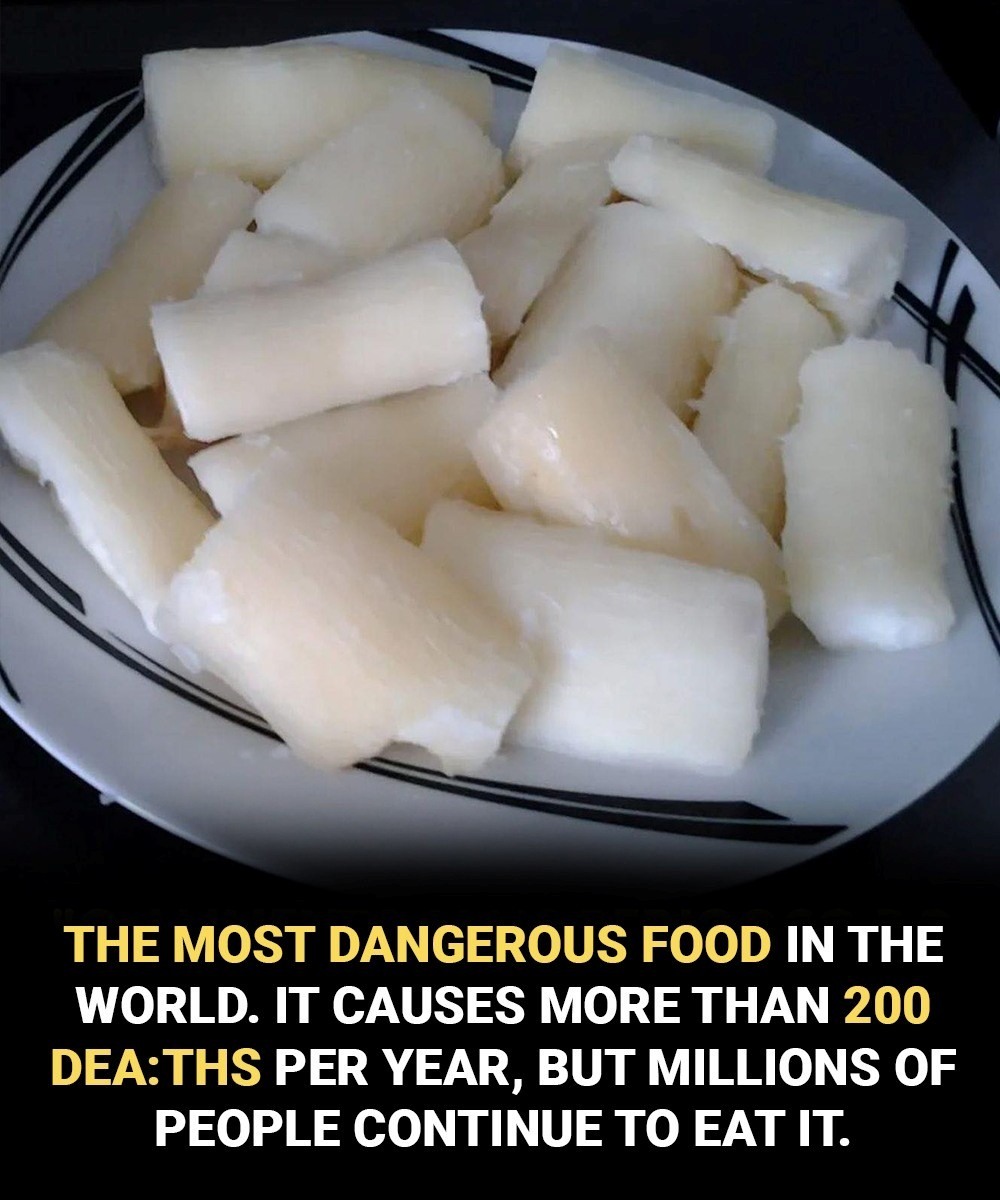
Imagine a dish so perilous that one wrong cut could send you into paralysis — and even death — yet millions of people around the world willingly seek it out. It sounds like something out of an adventure novel, a dare, or a culinary urban legend. But it’s real.
We’re talking about fugu — the Japanese delicacy made from pufferfish that contains an extremely potent neurotoxin. Every year, despite strict safety rules, hundreds of people worldwide are poisoned, and dozens die — yet risk‑taking diners and cultural tradition keep the dish alive. homeremediesseasy.com+1
In this post, we’ll dive deep into what makes some foods deadly, why fugu remains so popular despite the risks, how it’s prepared safely, and what this says about human culture and cuisine.
What Is Fugu — And Why Is It So Dangerous?
The Pufferfish and Tetrodotoxin
Fugu refers to certain species of pufferfish (family Tetraodontidae) that are eaten as a delicacy in Japan and other parts of East Asia. Many pufferfish species contain tetrodotoxin (TTX) — a neurotoxin that is among the most powerful natural poisons known. A tiny amount of TTX can block nerve signals, leading to paralysis and respiratory failure. Guinness World Records+1
Tetrodotoxin is incredibly potent — many estimates put it at hundreds to over a thousand times more toxic than cyanide — and there is no specific antidote once it takes effect. Live Science
Tiny doses — just a few milligrams — can cause death, and a single pufferfish can contain enough toxin to kill several adults. Guinness World Records
The poison isn’t evenly distributed. It’s mostly found in the liver, ovaries, intestines, and skin of the fish — organs that, if left in the edible portion, can poison the diner even after cooking. Guinness World Records
How Many People Really Die From It?
Numbers on fugu mortality vary, and part of that is due to differences in reporting and regulation, but the risk is documented.
Some secondary sources claim that roughly 200 cases of fugu poisoning occur annually worldwide, resulting in about 30–50 deaths per decade — which when averaged out translates into dozens of deaths per year. homeremediesseasy.com Other reports suggest that in Japan alone historically there were 34–64 hospitalizations and up to 6 deaths per year, though recent decades have seen far fewer thanks to safety controls. Wikipedia
Whatever the exact figure, the takeaway is this: dozens to low hundreds of people still die from this food each year — even though most poisonings are preventable with proper preparation. homeremediesseasy.com
So Why Do People Eat Something So Dangerous?
If a food could kill you, why would anyone want to eat it?
The answer is complex, rooted in culture, prestige, taste, tradition, and even thrill‑seeking psychology.
Cultural Tradition and Culinary Prestige
In Japan, fugu isn’t just food — it’s a cultural icon. It’s been eaten for centuries, with records of its consumption going back to the Jomon period (millennia ago). Its preparation was refined over generations, and it became associated with ritual, refinement, and exclusivity. The Environmental Literacy Council
In parts of Japan, dining on freshly prepared fugu is a status symbol — proof of bravery, connoisseurship, and trust in the chef’s skill. That psychological cachet plays a major role in its enduring popularity even among Japanese diners. Guinness World Records
Unique Flavor and Texture
People who eat fugu often praise its delicate, very mild flavor and distinctive texture, which isn’t something easily replicated by other fish. Its subtle taste is often paired with ponzu sauce or thinly sliced in sashimi style, making it a refined culinary experience. Guinness World Records
The Thrill Factor
There is also a thrill‑seeking element for some diners — the idea of eating something dangerous adds an adrenaline rush. For thrill‑seeking eaters, the tiny risk can be part of the appeal, similar to eating very spicy foods or unusual animal parts. Reddit
Nearly Half a Billion People Still Eat It
According to some widely repeated figures from online sources, almost 500 million people worldwide consume fugu or related pufferfish preparations each year. foody.jobsclube.com
Whether that number is precisely accurate is open to question — global consumption figures can be hard to verify — but it does underscore a critical point:
Far more people eat this delicacy safely than die from it.
For every person who suffers fatal poisoning, there are millions who enjoy it without incident.
That’s why fugu isn’t relegated to infamy — it’s a living, thriving part of culinary tradition, particularly in Japan and some other parts of Asia.
The Toxin: How Tetrodotoxin Works
To understand the danger, you really have to understand tetrodotoxin — the poison that makes fugu so risky.
Tetrodotoxin works by blocking sodium channels in nerve cells. When sodium channels are blocked, nerve signals can’t be transmitted properly. The result is rapid onset of symptoms like:
- Numbness around the mouth
- Tingling in extremities
- Muscle weakness
- Paralysis
- Difficulty breathing
- Respiratory failure in severe cases
These symptoms can appear as quickly as 20 minutes to a few hours after ingestion, and without supportive medical care, can lead to death. homeremediesseasy.com
Because tetrodotoxin is heat‑stable — meaning it isn’t broken down by cooking — the only way to make fugu safe is by physically removing the toxic organs before preparation. The Environmental Literacy Council
How Fugu Is Prepared Safely
Given the danger, it’s no surprise that strict regulations govern fugu preparation.
Licensing and Training
In Japan, chefs must undergo rigorous training and pass licensing exams to serve fugu. This training can take years and includes extensive study of pufferfish anatomy and toxin removal techniques. ezoshop.best
Only licensed chefs are legally permitted to prepare and serve fugu in restaurants. This reduces risk dramatically, because an improperly cut liver or ovary can contaminate the edible parts with toxins. The Environmental Literacy Council
The process is so specialized that it’s often called an art and science, blending precision cuts with deep anatomical knowledge. ezoshop.best
Deaths Still Occur — Often Outside Regulated Environments
Even with strict controls in place, fugu poisoning still happens, especially outside regulated restaurant environments. Many of the fatal cases occur when individuals try to prepare pufferfish at home or purchase it from unreliable sources. The Environmental Literacy Council
In these cases, mistakes in gutting or filleting the fish can leave dangerous amounts of tetrodotoxin in the flesh. Because the toxin cannot be neutralized by cooking, the result can be rapid and severe poisoning. The Environmental Literacy Council
A Global Perspective
Fugu is most strongly associated with Japan, but pufferfish species and similar risky culinary traditions exist beyond its borders.
In regions like:
- China
- South Korea
- Southeast Asia
- Parts of the United States (imported fugu)
toks in wild pufferfish also pose risks to untrained diners and fishermen. Wikipedia
Deaths have been reported outside Japan — including cases in the Philippines, Malaysia, and Brazil — when people without proper training handled or prepared pufferfish. Wikipedia+1
Why Risk and Tradition Coexist
At first glance, it might seem irrational to eat a food that can kill you. But there are deeper forces at work:
Cultural Significance
In Japan, fugu is more than food — it’s culinary heritage. It’s been eaten for centuries, woven into stories, rituals, and social experience. The Environmental Literacy Council
Social Status
Ordering fugu can signal sophistication, trust in the chef, and adventurous palate — traits that have social cachet. Guinness World Records
Taste and Experience
Connoisseurs describe fugu as delicate, subtle, and refined — very different from typical fish. That unique sensory experience draws aficionados. Guinness World Records
Thrill Seeking
Some people are drawn not just to taste, but to the risk itself — like thrill‑seeking diners who try fiery chilies or exotic animals. Reddit
Comparing Risk: Fugu vs Everyday Foods
It’s worth putting the danger in perspective. Everyday foods and foodborne illnesses kill far more people annually than fugu does.
According to global estimates, hundreds of thousands of people die each year from unsafe food overall — much more than the relatively small toll from fugu poisoning. yourfishguide.com
But the per serving danger and the dramatic paralysis associated with tetrodotoxin make fugu stand out psychologically as a “deadliest food.”
Lessons From Fugu: Risk, Regulation, and Respect
What can we learn from the story of fugu?
1. Expertise Matters
Strict licensing and training reduce deaths dramatically. The Environmental Literacy Council
2. Culture Shapes Food Choices
Even deadly foods persist when tied to tradition, identity, and social meaning. Guinness World Records
3. Risk Can Be Part of the Appeal
For some, the very danger of a dish adds to its allure. Reddit
4. Regulation Saves Lives
Where strict rules exist, fugu poisoning is rare — showing how governance and education can make even deadly foods safer. The Environmental Literacy Council
Should You Ever Try It?
If you’re curious about fugu, safety should be your top priority.
- Only eat it at licensed establishments with trained chefs.
- Never attempt to prepare it yourself.
- Recognize that even small errors can be fatal.
For most people, it’s a culinary experience to enjoy cautiously and with respect — not something to attempt at home.
Final Thoughts: Danger and Delight on the Plate
The story of fugu encapsulates the paradox many traditional foods hold: they can be both delicious and dangerous, treasured and feared, revered and misunderstood.
Over centuries, humans have learned to navigate pleasure and peril in food — from wild mushrooms to delicacies like fugu and cassava. These foods remind us that eating is not just about nutrition; it’s about culture, courage, history, and sometimes, risk.
For nearly half a billion people, fugu remains a part of life and celebration. For dozens each year, that choice leads to tragedy. Understanding why — and respecting the danger — is key to appreciating this extraordinary dish and the cultures that continue to honor it.
