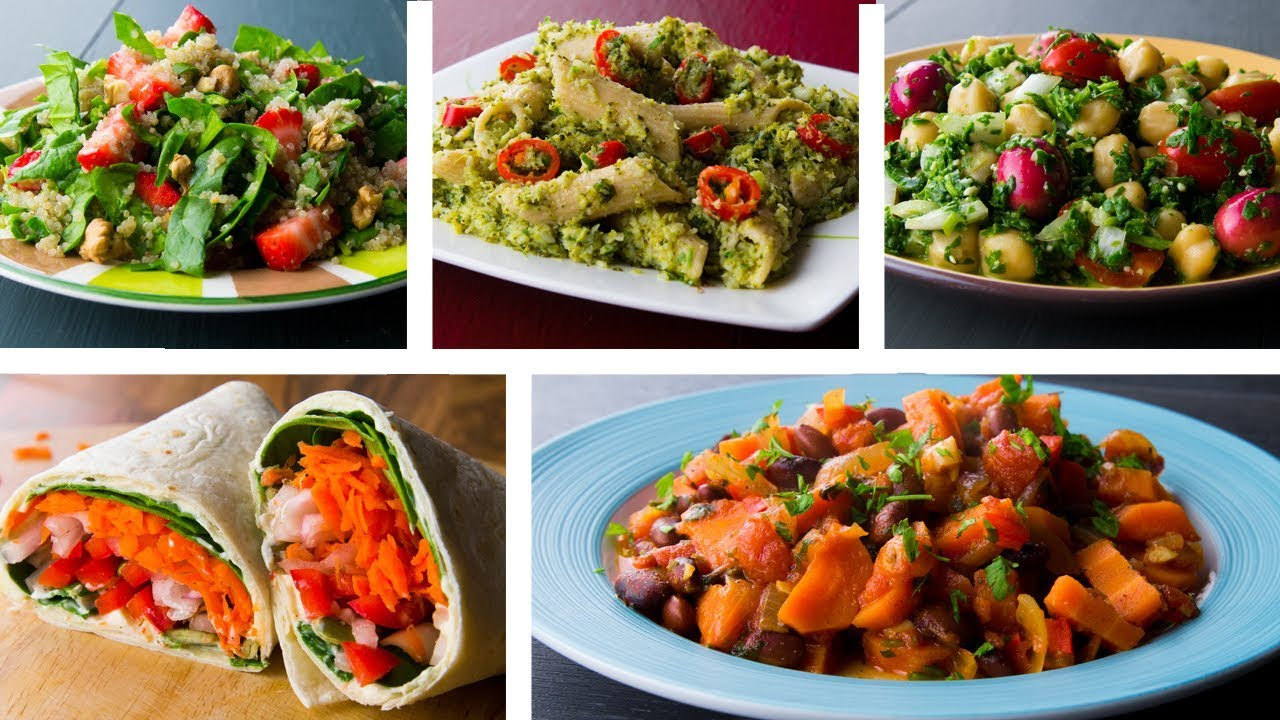
Incorporating vegetables into a weight-loss plan is one of the healthiest strategies you can adopt. Vegetables are low in calories, high in fiber, and packed with essential nutrients, making them ideal for creating satisfying, nutrient-dense meals. With the right recipes and cooking methods, vegetables can be both delicious and supportive of your weight-loss goals.
The first step is to focus on variety. Different vegetables provide different vitamins, minerals, and antioxidants. Leafy greens such as spinach, kale, and arugula are rich in iron and calcium, while colorful vegetables like bell peppers, carrots, and beets offer vitamin C and beta-carotene. Including a wide range of vegetables ensures balanced nutrition and keeps meals interesting.
Cooking methods are crucial for maintaining both flavor and health benefits. Steaming, sautéing with minimal oil, and roasting are ideal for weight-loss-friendly meals. Deep-frying or using heavy sauces adds unnecessary calories and fat. Simple techniques like roasting with a small amount of olive oil and herbs or steaming vegetables until just tender preserve nutrients while keeping meals light.
Portion control and balance are key in weight-loss recipes. Pairing vegetables with lean proteins, such as chicken, fish, or tofu, adds satiety and prevents overeating. Whole grains like quinoa, brown rice, or barley provide additional fiber and energy without causing blood sugar spikes. Combining these elements creates balanced, low-calorie meals that are filling and satisfying.
Salads are an excellent foundation for weight-loss meals. Using fresh greens, a variety of chopped vegetables, and a light vinaigrette creates a low-calorie, nutrient-rich dish. Adding proteins like grilled chicken, beans, or boiled eggs makes the salad more substantial while keeping calories under control. Healthy fats, such as avocado or nuts, can also be included in moderation.
Soups are another great option. Vegetable-based soups are filling due to their high water and fiber content, yet low in calories. Recipes such as minestrone, tomato-vegetable soup, or vegetable stir-fries with broth are excellent for lunch or dinner. Preparing soups in bulk allows for convenient, healthy meals throughout the week.
Smoothies made with vegetables like spinach, kale, cucumber, and celery are also effective for weight loss. Blending them with fruits and a protein source like Greek yogurt can create a nutritious, filling drink that is ideal for breakfast or a snack. Smoothies provide vitamins, minerals, and fiber in an easy-to-consume form.
Seasoning is important for flavor without adding extra calories. Fresh herbs, spices, lemon juice, and vinegar can enhance taste. Garlic, paprika, cumin, and chili flakes add bold flavors that make vegetables more enjoyable. Avoid heavy dressings, butter, or cream-based sauces, which can sabotage weight-loss efforts.
Meal planning is essential for consistent results. Preparing vegetables in advance, washing and cutting them, and storing them properly encourages regular consumption. Simple meal prep reduces reliance on unhealthy snacks and fast food, making it easier to stick to weight-loss goals.
In conclusion, vegetable recipes for weight loss are about combining fresh ingredients, healthy cooking methods, and balanced meals. By choosing a variety of vegetables, pairing them with lean proteins and whole grains, and using flavorful seasonings, you can create satisfying meals that support weight loss. Incorporating these strategies into daily eating habits helps improve health, energy, and long-term success in maintaining a healthy weight.
